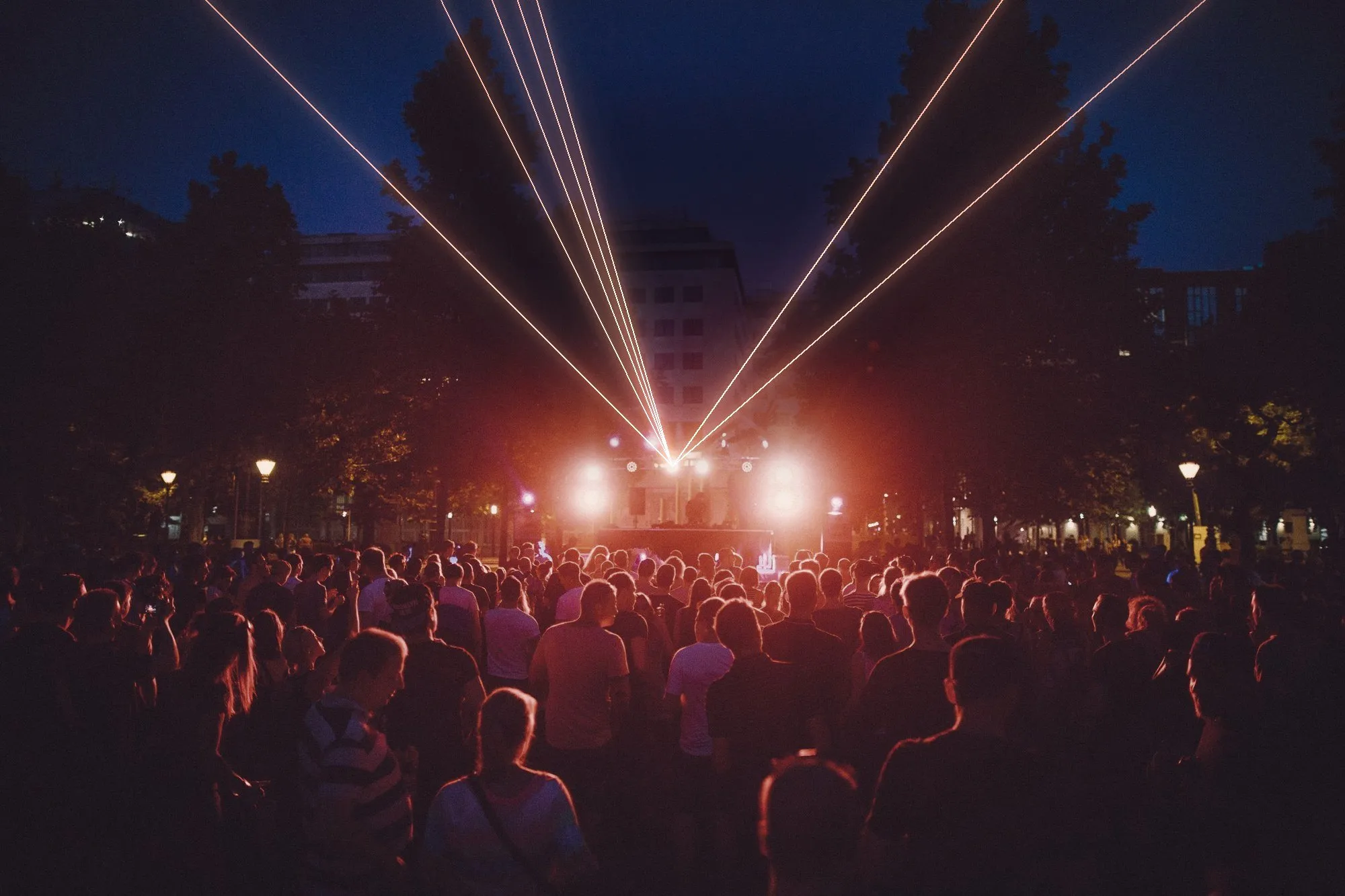

You post the event. Within a day, a couple of hundred people have hit “interested” and a few dozen have hit “going”. You book the bigger room.
On the night, the crowd is a fraction of that.
If this has happened to you, you’re in good company. Almost anyone who’s organised events has learnt the same lesson: a click on an event page tells you something, but it doesn’t tell you who’s coming.
What a click actually costs
Nothing. That’s the whole issue.
Hitting “interested” takes a second and commits you to nothing. People use it for all sorts of reasons:
- As a bookmark. “Remind me this exists.”
- To be polite. A mate’s band is playing; clicking is a way of being supportive.
- To signal taste. It looks good on their profile, or keeps the algorithm serving them similar events.
- As a soft maybe. They’ll decide on the night, depending on the weather, how tired they are and what else comes up.
Even “going” is a fairly soft yes. Plans change, a better offer appears, the babysitter cancels. And some clicks come from people who were never going to be there at all, like friends of friends interstate or overseas.
None of this makes people flaky. It just means the button measures attention, not intention.
Why the gap gets you
The trouble isn’t that event-page clicks are useless. They’re good for reach, and they tell you whether people are noticing.
The trouble is making money decisions on them. Room hire, artist fees, staff, catering, stock: all of these get committed weeks out, based on a number that’s easy to inflate and hard to read. If the clicks were optimistic, you find out when it’s too late to change anything.
What a pledge tells you that a click can’t
A pledge is a different kind of signal.
On a crowdfunded YouGig event, a fan picks a reward (a ticket type at a set price), enters their card and commits. Their card isn’t charged until the goal is met. If it’s met, pledges are collected and the event goes ahead. If it isn’t, nobody pays.
That means each pledge tells you:
- They’ll pay. Not “might”, but has handed over card details at your price.
- What they’ll pay for. The mix of early bird, standard and premium tiers shows you where your pricing lands.
- Roughly when they decided. The pace of pledges tells you whether momentum is building or stalling.
It’s not perfect. Some people who’ve paid still don’t turn up. But someone who’s put a card down has made a real decision, which is a far firmer signal than a click.
The trade-off: pledging asks more of a fan than clicking does, so you’ll see fewer pledges than clicks. That’s the point. You’re filtering out the noise, not growing the number.
Using the signal to decide room size
Here’s a practical way to use pledge data when you’re choosing a venue.
- Work out the minimum crowd that makes the night viable, and set that as your goal.
- Talk to venues about a smaller and a larger room, and ask how late you can confirm which one.
- Set your deadline before that confirmation date.
- When the deadline arrives, look at where the pledges landed, not where the clicks did.
If you’re just over the goal, take the smaller room and enjoy a packed, buzzing night. If you blew past it early and it’s still climbing, the bigger room starts to look sensible. A crowded small room almost always beats an echoey big one.
Remember that a crowdfunded event keeps selling tickets after the goal is met, so final numbers will usually be higher than where you stood on the deadline. Leave yourself some headroom.
Deciding on a second show
Pledges also help you decide whether to add another night.
If your first show reaches capacity before the deadline, that’s a strong sign there’s more demand. You can set up a second show, such as an early session, a matinee or the following night, as its own event with its own goal. Point people who missed out straight at it.
Because the second show has its own goal, you’re not betting on the overflow. You’re asking it to prove itself, just like the first.
Deciding not to go ahead
This is the decision most people find hardest, and where pledges help most.
If the goal isn’t met by the deadline, the event doesn’t proceed and nobody’s charged. That isn’t a failure. You’ve found out before paying for the room, the artist and the stock, rather than after.
It’s dramatically reduced financial risk, but not none. Money already spent on design, posters or ads is gone either way. What you avoid is the far bigger cost of running a night your crowd hadn’t committed to.
And you’ve learnt something. Maybe the goal was a bit high, the date clashed with something, or the format needs work. That’s worth knowing for next time.
Keep using your event page, just read it differently
None of this means ditching your Facebook event or your RSVP list. They’re good for reach and reminders. Use them to point people at the pledge page, and treat the “interested” list as an audience to convert, not a headcount.
A simple way to frame it:
- Clicks tell you who’s noticed.
- Pledges tell you who’s coming.
- Make decisions on the second one.
See your real demand
What if your audience committed first? Set your minimum as the goal and find out before you book: create a crowdfunded event on YouGig. It’s free to list, and direct ticket sales are always an option if you’d rather skip the goal.
We’re also looking for Melbourne’s ten Founding Promoters. You’d get a 1:1 setup with founder Miles, a direct line to him, and promotion on YouGig’s own channels (social and a blog spotlight) plus a small paid ad boost that YouGig pays for. Message us on Instagram or via yougig.events.